How satellite connectivity is powering operations, safety, and the visitor experience at one of America’s iconic working bison ranches
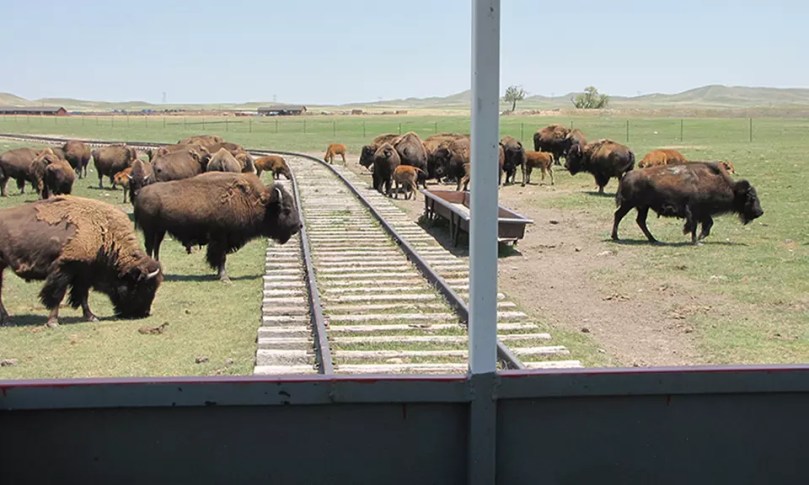
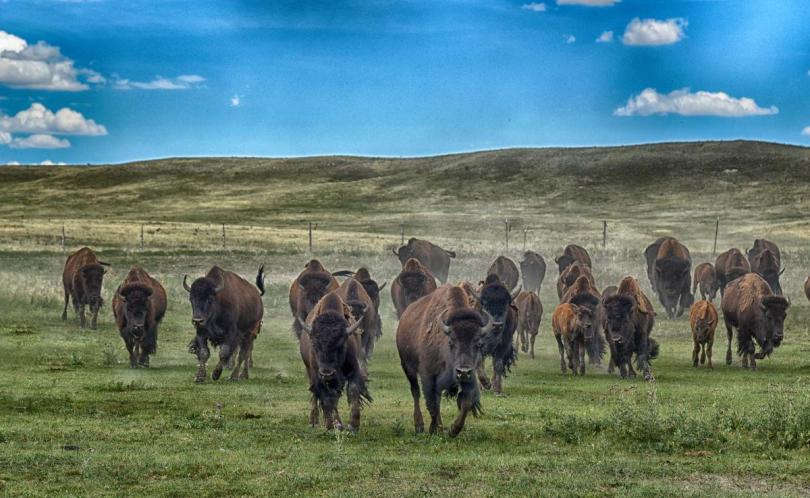
Just seven miles south of Cheyenne, Wyoming, on a sprawling 27,000-plus acre ranch that straddles the Colorado border, roughly 3,000 American bison roam the high plains. Terry Bison Ranch is a working ranch raising one of North America’s most iconic species. It is also a beloved family destination famous for its custom bison train tours, where visitors can hand-feed these massive animals from open cars as the train winds through the herd.
Running a ranch and tourist operation this remote comes with serious challenges, especially when it comes to reliable communications. That is where Starlink has stepped in, delivering high-speed internet from space and fundamentally changing how the ranch operates.
The Ranch: A Living Piece of the American West
Terry Bison Ranch has deep roots. The land was once part of a much larger operation owned by F.E. Warren, Wyoming’s first territorial governor. In 1991, Ron and Janice Thiel purchased the core 27,500 acres and began focusing on bison. Their son Dan helped open the property to the public in 1993, turning it into both a working ranch and a Western adventure destination.
Today, visitors enjoy the world-famous bison train tours with multiple daily departures and hand-feeding opportunities, plus horseback and pony rides, self-guided tours, RV and cabin camping, dining at the on-site steakhouse or food truck, and events and group activities.
It is a working ranch that also welcomes the public, a rare and authentic experience just a short drive from Cheyenne and roughly 1.5 hours north of Denver.
The Connectivity Problem
Like many rural operations in Wyoming, Terry Bison Ranch faced the classic high-plains connectivity struggle: spotty or nonexistent cell service, unreliable traditional broadband, and frequent high winds that knock out power lines.
When the power grid goes down, which happens regularly, communications used to go dark too. Coordinating staff, handling visitor needs, managing emergencies, and keeping daily operations running became extremely difficult. Time was lost. Safety margins narrowed. The business and the surrounding community felt the impact.
Starlink to the Rescue
Starlink changed that equation. According to Starlink’s official story on the deployment, the service now serves as the primary source of connectivity for the entire business. Even during power grid failures, ranch personnel can continue communicating on their devices, coordinate quickly, delegate tasks, and provide emergency support.
This resilience matters on a working ranch with animals, staff, and daily visitors. Reliable high-speed internet means real-time coordination across thousands of acres, better safety for employees and guests, faster response when seconds count, significant time savings that were previously lost to dead zones or dropped connections, and improved operations for both the working ranch side and the visitor and tourism side.
Starlink’s satellite-based system is particularly well-suited to Wyoming’s conditions: vast open skies, remote locations, and weather that often disrupts terrestrial infrastructure.
Why This Matters
Bison conservation, working ranches, and authentic Western experiences all benefit when the people running them can communicate reliably, whether they are moving herds, managing a train tour full of excited families, or responding to an emergency on the property.
Starlink is quietly enabling these kinds of operations across rural America, from farms and ranches to remote communities that traditional providers have long underserved.
Primary Sources
- Starlink official story: “Internet from space for a bison ranch”
- Terry Bison Ranch official website (terrybisonranch.com), including History and About pages
- Visit Cheyenne and Travel Wyoming listings
- Supporting visitor reports and recent Starlink social media posts from May 28, 2026
Article by Gail Alfar.